
- House-538 (Near Evercare Hospital), Bashundhara R/A, Dhaka.
- House – 35 (Level-6), Road – 7, Block – G, Banani, Dhaka-1212.
At Dr. Paul’s Bangladesh, our doctors provide comprehensive evaluation and personalized treatment plans for fatty liver disease. Whether you have recently been diagnosed or are experiencing symptoms, we’re here to help you understand your condition and take the right steps toward better liver health.
Visit our Bashundhara or Banani branch, or consult online from anywhere in Bangladesh.
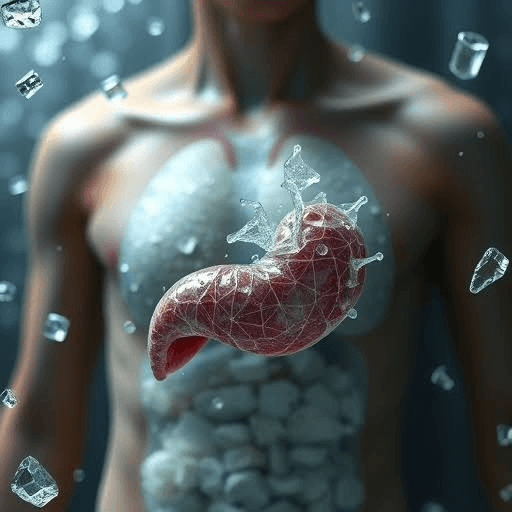
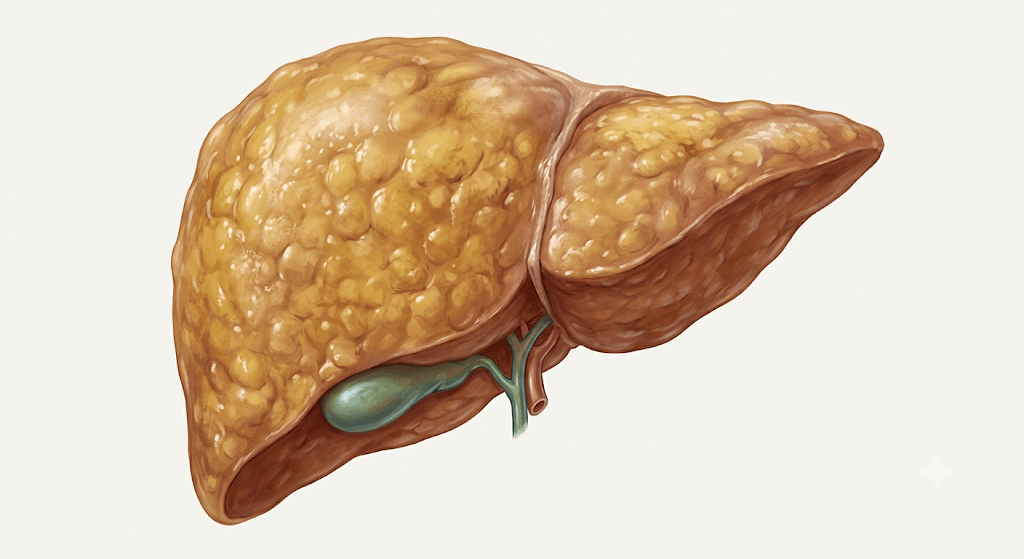
Your liver plays a vital role in filtering toxins, storing energy, and supporting digestion. When excess fat begins to build up inside liver cells, the liver has to work harder to perform these essential functions. This condition is known as fatty liver disease.
In its early stages, fatty liver usually causes little or no discomfort, which is why many people don’t discover it until a medical examination. The good news is that early diagnosis and timely treatment can significantly reduce the risk of long-term liver damage.
Non-Alcoholic Fatty Liver Disease (NAFLD)
This is the most common type and can occur even if you rarely drink alcohol. It is often associated with obesity, diabetes, high cholesterol, insulin resistance, and an inactive lifestyle.Alcohol-Related Fatty Liver Disease
This develops due to excessive alcohol consumption over time, causing fat to accumulate in the liver and increasing the risk of inflammation and liver injury.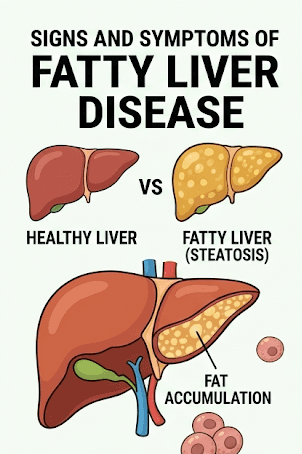
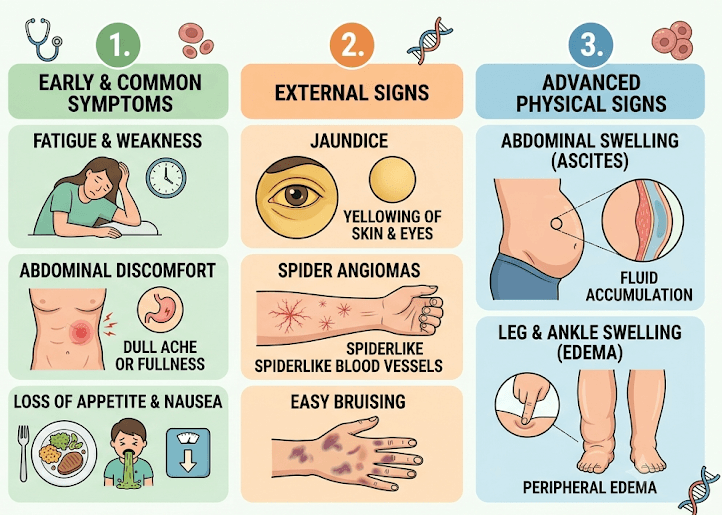
Many people feel perfectly healthy during the early stages. As the condition progresses, you may notice:
These symptoms can also occur with other health conditions, which is why a proper medical evaluation is important.
Fatty liver isn’t caused by a single factor. In many cases, it develops gradually due to a combination of lifestyle and metabolic conditions.
Common causes include:
Identifying the underlying cause helps determine the most suitable treatment plan.
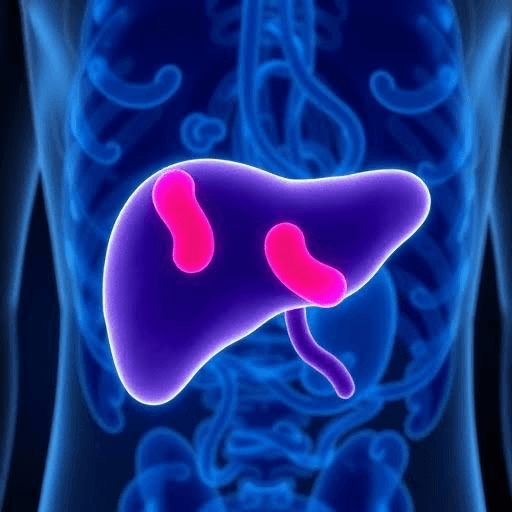
Your risk may be higher if you:
Even people with a normal body weight can develop fatty liver, making regular health check-ups important.

Don’t wait until symptoms become severe.
Consider scheduling an evaluation if:
Early medical attention often makes treatment easier and more effective.
Every patient is different, so we begin by understanding your medical history, lifestyle, and current health.
Depending on your condition, your doctor may recommend:
This allows us to understand not only whether fatty liver is present but also how it may be affecting your overall health.
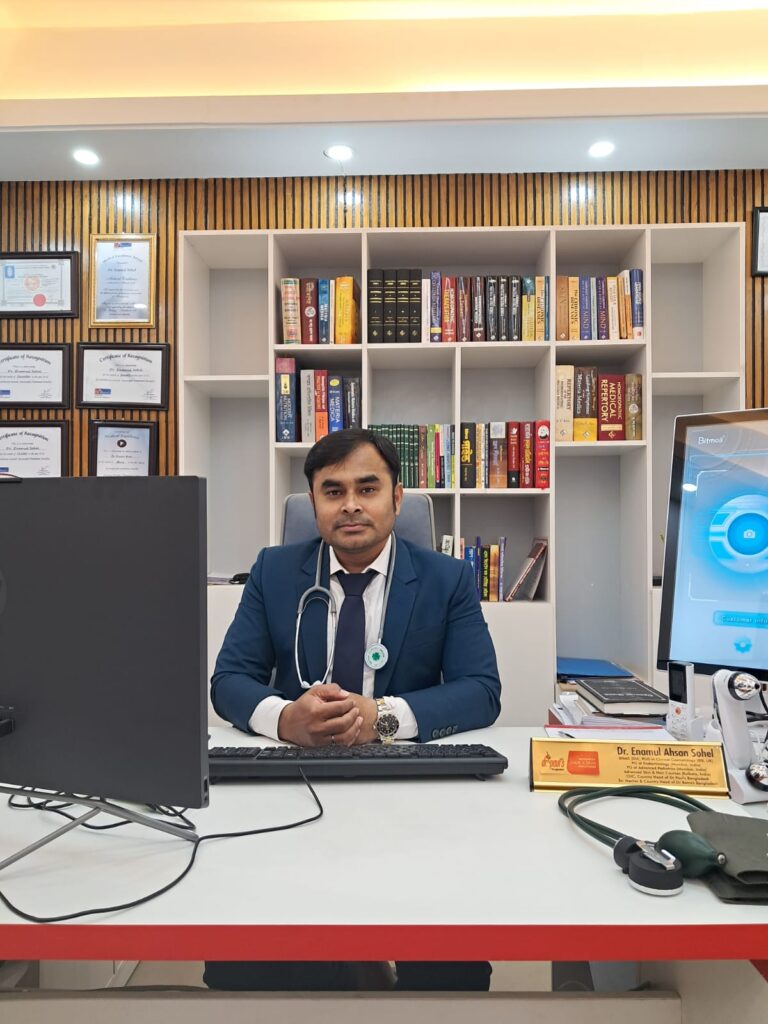
Rather than offering the same approach to every patient, we develop a treatment plan based on your individual health profile.
Your care may include:
We evaluate your symptoms, health history, lifestyle, and possible contributing conditions.
Your doctor will recommend a personalized management plan based on your diagnosis and overall health.
Small, sustainable lifestyle changes often play an important role in supporting liver health. Our doctors guide you on practical habits that fit your daily routine.
Monitoring your progress allows your doctor to adjust your treatment plan whenever necessary and help you stay on track.
Your everyday choices can make a real difference to your liver health.
Simple habits that may help include:
Consistency matters more than perfection.
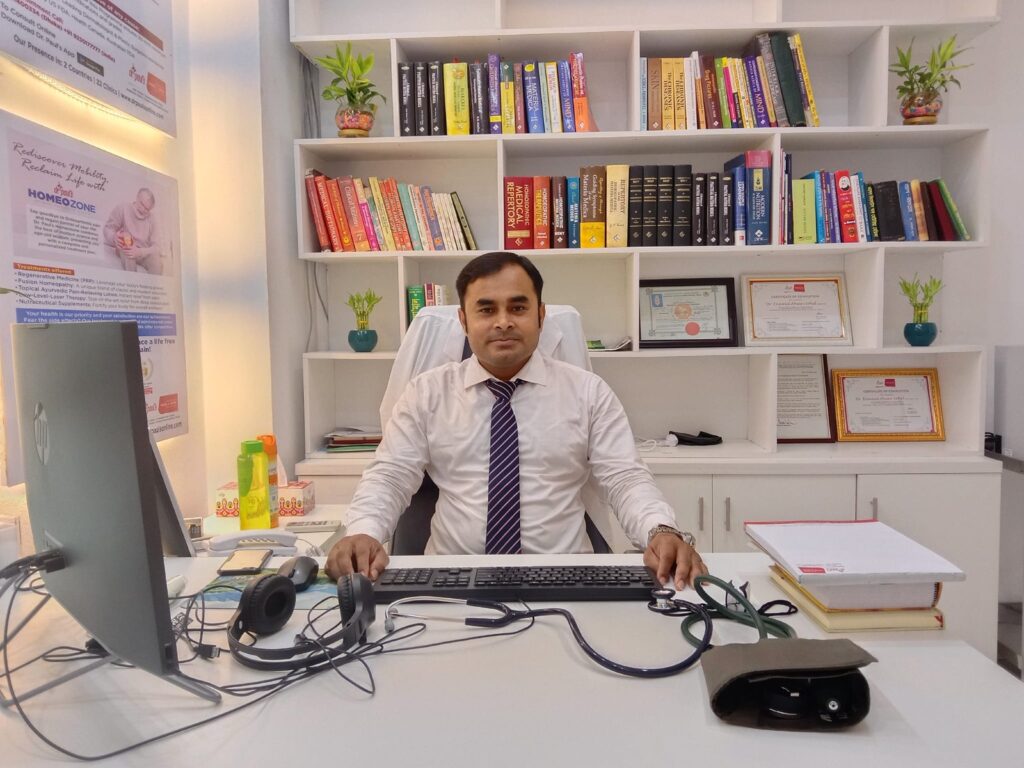
Our doctors carefully evaluate each patient and create treatment plans based on individual needs.
Your doctor will recommend a personalized management plan based on your diagnosis and overall health.
Instead of focusing only on symptoms, we assess possible underlying factors that may be contributing to your condition.
Monitoring your progress allows your doctor to adjust your treatment plan whenever necessary and help you stay on track.
If you’ve been diagnosed with fatty liver—or simply want to understand what’s affecting your liver health—don’t ignore the warning signs.
Our medical team is ready to help you take the next step with confidence.
Book your appointment today and take the first step towards a healthier, happier you.
Homeopathy is highly effective in treating a wide variety of allergies, including seasonal allergies (hay fever), dust and mold allergies, pet dander allergies, food allergies, and skin allergies like eczema and contact dermatitis.
Homeopathy works on the principle of “like cures like.” It uses highly diluted substances to gently stimulate the body’s immune system, helping it to recognize and tolerate the allergens rather than overreacting to them. This process aims to reduce hypersensitivity over time.
Yes, homeopathic remedies are completely natural and non-toxic. They are safe for use by children, infants, and pregnant women, making them an excellent alternative to conventional allergy medications that may have unwanted side effects.
Results can vary. Some people feel better in a few weeks, but if your allergy is severe, it might take longer.
While the term “cure” can be subjective, homeopathic treatment aims to significantly reduce your sensitivity to allergens. Many patients experience long-term relief and a drastic reduction in symptoms, allowing them to live comfortably without relying on daily allergy medications.
Your homeopath might suggest some changes to help the treatment work better, but it depends on your situation.
The homeopath will ask about your symptoms, lifestyle, and health to create a treatment plan just for you.
Homeopathic remedies are usually free from side effects, but sometimes you might feel a slight increase in symptoms at first, which is normal.
Yes, you can usually take homeopathy along with your regular medicine, but it’s good to check with both your homeopath and doctor
Homeopathic remedies come in tiny pellets, drops, or tablets that you usually take under your tongue. Your homeopath will tell you how much and how often to take them.